30 May, 2025

 Sologenx Foundation
 Afforestation
Walk through any newly 'beautified' median in an Indian city and count the casualties: imported palms browned at the edges, exotic shrubs dead by the second summer. Ornamental planting looks good on inauguration day and terrible by June. Native trees evolved for Indian heat, monsoon rhythm, and local soils, which is why a neem survives what kills a palm-and why choosing species matters more than counting saplings.
Successful plantation drives share a few habits. They choose native species-neem, peepal, banyan, jamun, and local flowering trees-that survive Indian summers without pampering. They plant in the right season, dig deep pits, and most importantly, they protect saplings for three years until roots run deep. A plantation is not an event; it is a three-year promise. Groups that treat it that way see survival rates above 80 percent, while photo-op plantings often lose most saplings by the next summer.
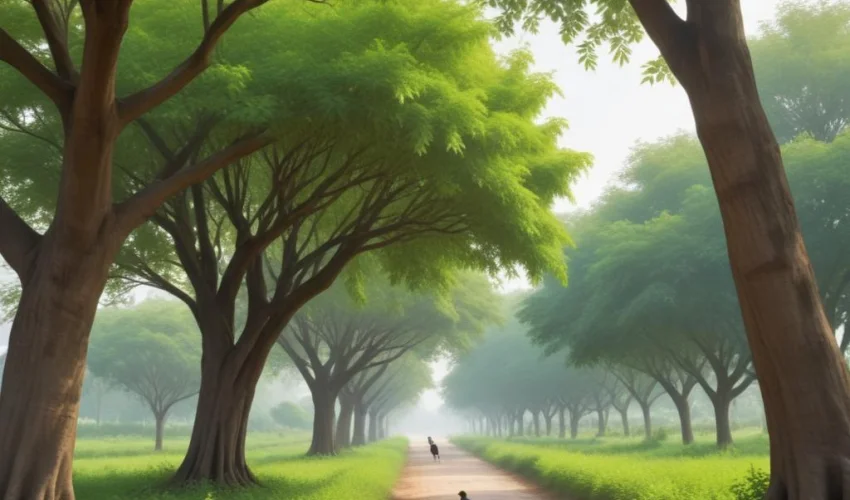
The benefits compound across generations. Today's sapling is next decade's nesting site for birds, a fruit source for families, and a windbreak that lowers dust in every downwind home. Groundwater recharges better under tree cover, soils stop eroding, and property values along green streets quietly rise. Planting a tree is the rare act whose returns grow larger the longer you wait-exactly why it is the smartest gift this generation can hand to the next one.

Across Madhya Pradesh and beyond, Sologenx Foundation runs community plantation drives that pair schools, resident welfare groups, and farmers with land, saplings, and training. Volunteers learn pit preparation, mulching, and watering schedules, and each site gets a local caretaker group. The result is more than trees-it is ownership. A child who plants a sapling on her school grounds checks on it for years, and that habit of care is the real harvest.
The species we plant today set the ecology for fifty years. Native canopies will host the birds, bees, and butterflies your grandchildren grew up hearing about in stories-while exotic failures will simply be replanted again at public cost. Choose native once, and the ecosystem thanks every generation after you.
Before: Barren plots, rising street temperatures, dusty air.
After: Shaded streets, returning birds, cooler homes, and children who grew up watering the trees they planted.
You do not need land or money to grow India's green cover-you need consistency. These simple steps turn good intentions into living, breathing forests.
11 June, 2025

19 June, 2025