21 July, 2025

 Sologenx Foundation
 Water Conservation
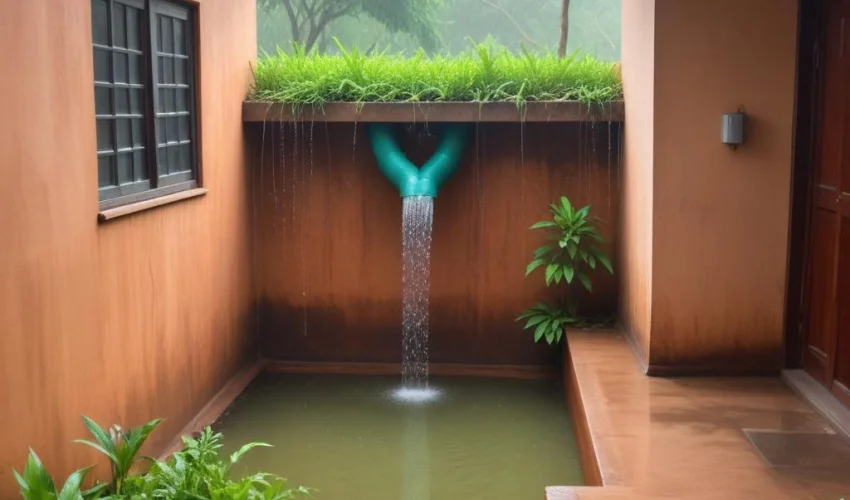
India receives more than enough rain to meet its needs; it simply lets most of it run into the sea. A modest 100-square-metre rooftop in an average-rainfall district can harvest tens of thousands of litres a year-enough for a family's non-drinking needs through the dry months, or enough to recharge the well it draws from. Rainwater harvesting is not new technology; stepwells proved it centuries ago. It is just forgotten wisdom waiting on your roof.
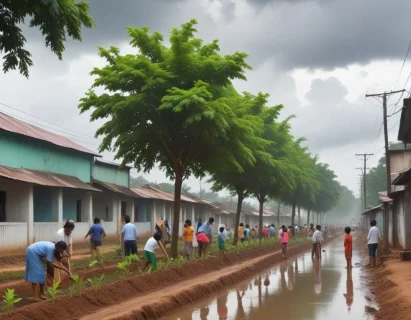
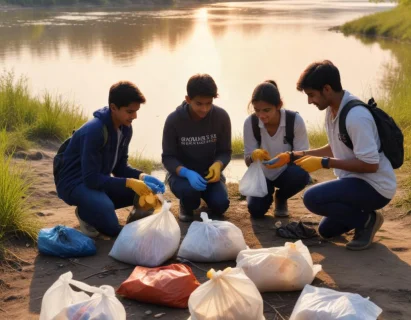
Water body restoration is patient, physical work. Volunteers map the catchment, desilt the bed before monsoon, repair embankments, and remove encroachments through dialogue rather than conflict. Native grasses are planted on banks to filter runoff, and inlet channels are cleared so the first rains actually reach the water. Done well, a restored pond begins filling in a single monsoon, and wells that ran dry in March start holding water till May.
Every Indian city and village runs on water it no longer sees. Tanks, ponds, stepwells, and streams that sustained communities for centuries have been filled, fenced, or forgotten-and we now pay tanker trucks for what monsoon clouds once delivered free. Yet the fix is astonishingly local. A revived pond recharges wells for kilometres, a working stepwell cools a whole mohalla, and one rooftop that harvests rain can cut a family's water bill by half.

The generational case for water work is overwhelming. Aquifers recharged today will still be serving grandchildren; catchments protected now decide whether a village drinks or migrates. Children who grow up watching a dead pond come alive learn something no textbook teaches: that decline is not destiny, and that patient collective effort literally raises the ground beneath a community's feet.
Groundwater tables are falling across most of India, and the children in your home will pay the price in deeper borewells and dearer water. A recharge pit dug today keeps repaying for decades. Harvest the rain while the monsoon still generously offers it-every litre saved is a litre inherited.
Before: Silted ponds, dry wells, summer water queues.
After: Filling water bodies, recharged borewells, returned birds-and a village that no longer fears April.
Water security begins at your rooftop and your nearest pond. These steps take little money and mostly ask for your time and attention.

21 July, 2025
2 August, 2025


6 August, 2025
10 August, 2025