15 September, 2025

 Sologenx Foundation
 Zero Waste
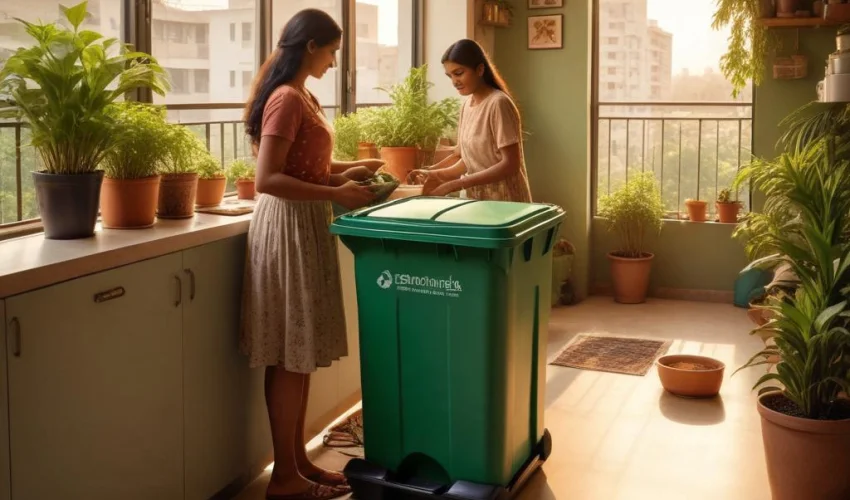
Zero waste sounds like a lifestyle for people with too much time; in Indian homes it is actually a return to how our grandparents already lived. Cloth bags were default, kitchens composted by instinct, and the kabadiwala recycled whatever remained. Modern convenience layered disposables over that wisdom. Getting back is not asceticism-it is five habits, adopted one month at a time, until your dustbin embarrasses you with how empty it stays.
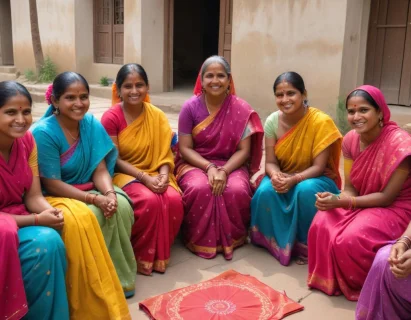
A zero-waste community is built in kitchens and kirana shops, not conference rooms. Households that separate wet and dry waste discover that nearly two-thirds of their garbage is compostable-it becomes soil instead of methane. Streets that adopt cloth-bag habits stop feeding the plastic river that clogs drains every monsoon. And when a whole colony commits, the municipal garbage truck's daily load visibly shrinks.
Sologenx Foundation's zero-waste communities program works directly with households, markets, and hostels to set up segregation at source, compost pits, and plastic-refusal habits. Volunteers run door-to-door demos, schools get waste-audit days, and local vendors are roped in to offer refill and bring-your-own-container options. The philosophy is simple: make the green choice the easy choice, and the waste problem largely solves itself.

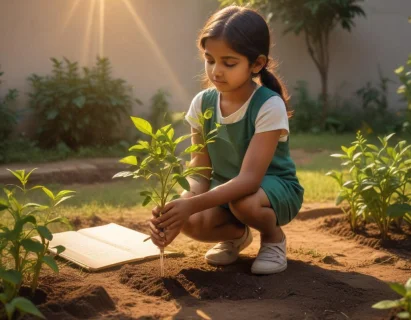
What you throw away today, a child inherits tomorrow. Landfill sites grow into toxic hills beside the poorest neighbourhoods; microplastics reach the food and water of people who never bought a single disposable product. Every household that shrinks its waste to a jar is shrinking the pile their grandchildren will have to live beside. Zero waste is not austerity-it is the most practical form of love for the next generation.
India's landfills are running out of land, and the burden lands hardest on the neighbourhoods beside them-always the poorest. A family that cuts its waste to a trickle removes its share from that injustice permanently. The habits you normalize at home become the baseline your children will never question.
Before: Overflowing bins, plastic-choked drains, daily garbage fires.
After: Compost-rich gardens, clean streets, and households proud of how little they throw away.
Zero waste is a habit, not a sacrifice. Start with these steps and watch your bin-and your guilt-shrink month by month.
15 September, 2025
19 September, 2025
23 September, 2025
27 September, 2025

1 October, 2025
5 October, 2025