18 August, 2025

 Sologenx Foundation
 Zero Waste
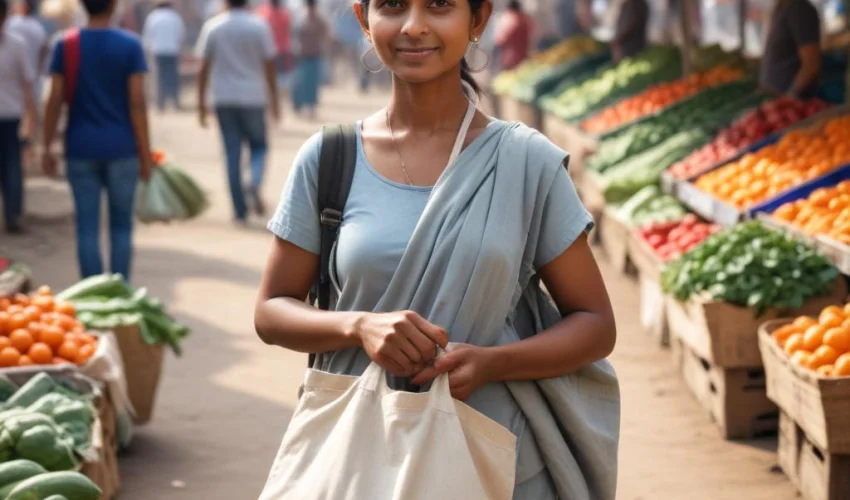
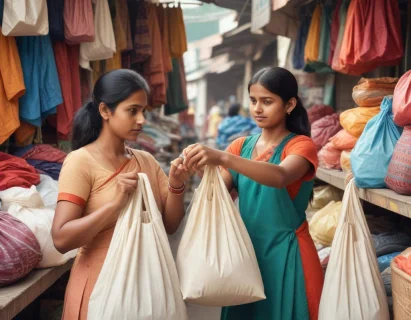
The average single-use plastic item is used for twelve minutes and persists for five hundred years. That trade-off is the whole problem. India has banned several single-use items, but bans alone chase the tail-the real shift happens when hundreds of millions of daily decisions change: the bag refused, the bottle carried, the straw skipped. The encouraging news is that these swaps are trivially easy and measurably enormous when enough people make them.
India generates mountains of waste every day, and most of it never needed to exist. The disposable cup used for ninety seconds will outlive its user in a landfill. Zero-waste thinking simply asks: what if the waste never happened? Refuse the plastic bag before you need a bin for it, carry the bottle before you buy packaged water, and segregate kitchen waste before it becomes someone else's problem at the dumping ground.
What you throw away today, a child inherits tomorrow. Landfill sites grow into toxic hills beside the poorest neighbourhoods; microplastics reach the food and water of people who never bought a single disposable product. Every household that shrinks its waste to a jar is shrinking the pile their grandchildren will have to live beside. Zero waste is not austerity-it is the most practical form of love for the next generation.

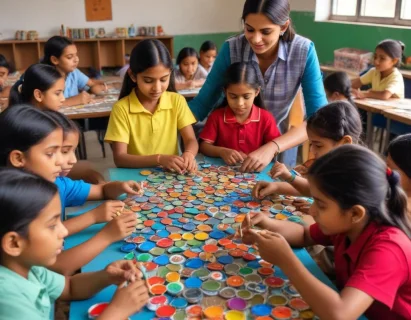
Sologenx Foundation's zero-waste communities program works directly with households, markets, and hostels to set up segregation at source, compost pits, and plastic-refusal habits. Volunteers run door-to-door demos, schools get waste-audit days, and local vendors are roped in to offer refill and bring-your-own-container options. The philosophy is simple: make the green choice the easy choice, and the waste problem largely solves itself.
Microplastics have already reached human blood, soil, and the deepest oceans. Every disposable item refused today is plastic that will not enter the food chain your grandchildren eat from. The generation that normalizes refusals now is the generation that spares its children a world of invisible plastic.
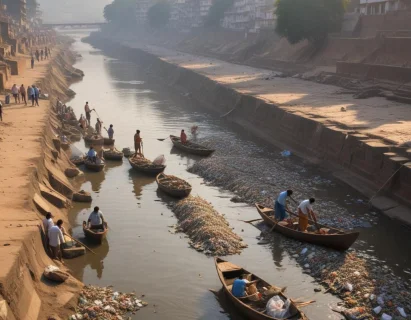
Before: Overflowing bins, plastic-choked drains, daily garbage fires.
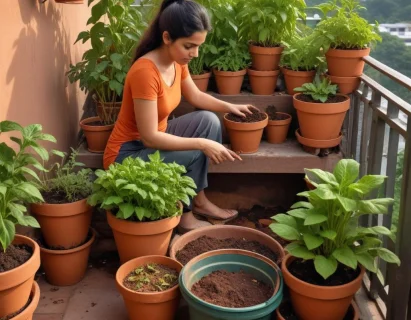
After: Compost-rich gardens, clean streets, and households proud of how little they throw away.
Zero waste is a habit, not a sacrifice. Start with these steps and watch your bin-and your guilt-shrink month by month.
18 August, 2025
22 August, 2025

26 August, 2025
30 August, 2025
3 September, 2025
7 September, 2025