15 May, 2025

 Sologenx Foundation
 Afforestation
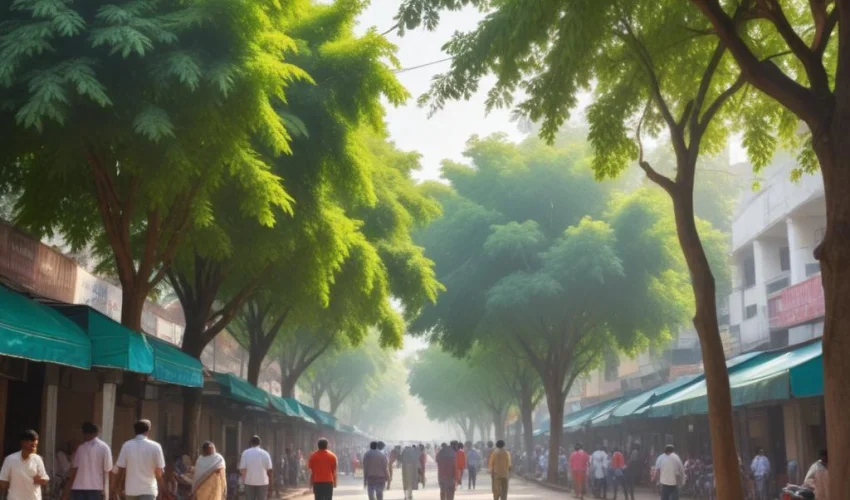
Every April now, Indian cities break their own heat records, and the answer is hanging over our heads-literally. Streets with mature tree cover run measurably cooler than bare concrete corridors, and neighbourhoods that planted a decade ago feel a different summer than those that did not. Urban trees are not decoration; they are the cheapest air-conditioning infrastructure a city can install, and the only kind that appreciates in value every single year.
India's relationship with trees is ancient, but our cities are losing green cover faster than they are gaining it. Concrete replaces canopies, parking lots replace parks, and summer temperatures climb a little higher every year. The good news is that urban afforestation works: a single mature tree can cool the air around it by several degrees, trap kilograms of dust, and absorb the carbon of an entire household's electricity use. When neighbourhoods plant together, streets become corridors of shade instead of corridors of heat.
Successful plantation drives share a few habits. They choose native species-neem, peepal, banyan, jamun, and local flowering trees-that survive Indian summers without pampering. They plant in the right season, dig deep pits, and most importantly, they protect saplings for three years until roots run deep. A plantation is not an event; it is a three-year promise. Groups that treat it that way see survival rates above 80 percent, while photo-op plantings often lose most saplings by the next summer.

Across Madhya Pradesh and beyond, Sologenx Foundation runs community plantation drives that pair schools, resident welfare groups, and farmers with land, saplings, and training. Volunteers learn pit preparation, mulching, and watering schedules, and each site gets a local caretaker group. The result is more than trees-it is ownership. A child who plants a sapling on her school grounds checks on it for years, and that habit of care is the real harvest.
The sapling you tuck into a pit this monsoon will shade schoolchildren who are not yet born. Heatwaves are projected to intensify through this century, which means the trees planted this decade decide whether your grandchildren play outside in May or hide indoors. Planting now is not optimism-it is insurance with roots.
Before: Barren plots, rising street temperatures, dusty air.
After: Shaded streets, returning birds, cooler homes, and children who grew up watering the trees they planted.
You do not need land or money to grow India's green cover-you need consistency. These simple steps turn good intentions into living, breathing forests.

15 May, 2025
17 May, 2025


