30 August, 2025

 Sologenx Foundation
 Green Education
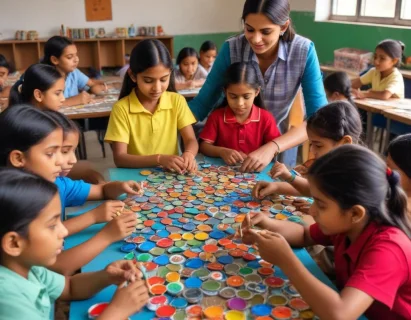
An eco-club is the smallest unit of environmental revolution-a dozen students, one teacher, one hour a week. Yet schools that run them consistently report the same pattern: litter drops, gardens flourish, and the eco-club becomes the club students queue to join. The secret is rhythm over spectacle. Weekly small acts-watering, auditing, planting-compound into habits that outlast school by decades.
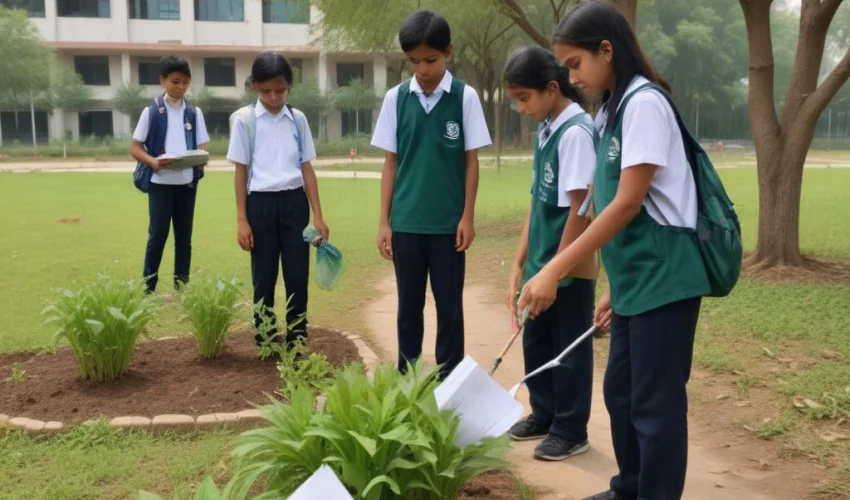
Sologenx Foundation's environmental education in schools program equips teachers with activity kits, trains eco-club leaders, and organizes plantation and clean-up days that anchor classroom learning in real work. The foundation's approach is deliberately practical: less lecturing, more doing. A school that runs one full year of the program typically sees measurably less campus litter and a waiting list for the eco-club.
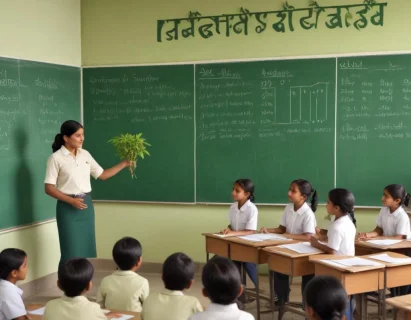
A child who learns fractions from a textbook forgets them by thirty; a child who plants a tree in Class 5 remembers it at fifty. Environmental education works because it is experienced, not memorized. When schools make nature a subject you can touch-composting the canteen waste, auditing the school's water use, adopting a sapling each-science stops being marks on a mark sheet and becomes a way of seeing the world.

Educating one generation of children about the environment quietly educates the next two. Today's eco-club president becomes tomorrow's parent who composts, the engineer who designs better drains, the voter who asks candidates about rivers. The return on a single green curriculum compounds for seventy years and multiplies through every household it touches. There is no cheaper infrastructure for a livable future than an environmentally literate classroom.
Habits formed at twelve rarely break at forty. The eco-club member sorting waste today becomes the household that composts, the professional who audits her office, the parent who passes it forward untouched. Support a school eco-club and you are not funding a club-you are funding a century of habits.
Before: Environment as a chapter to memorize, littered playgrounds.
After: Thriving school gardens, student eco-clubs, and children who teach their parents to segregate waste.
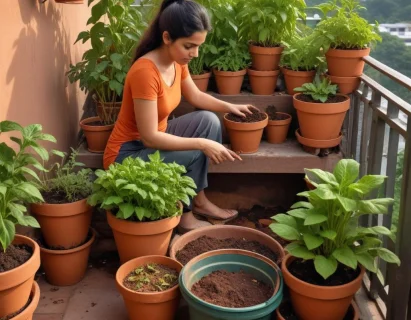
Every school can become a green school without new buildings or budgets-only new habits. Here is where to begin.
30 August, 2025
3 September, 2025

7 September, 2025
11 September, 2025
15 September, 2025
19 September, 2025